

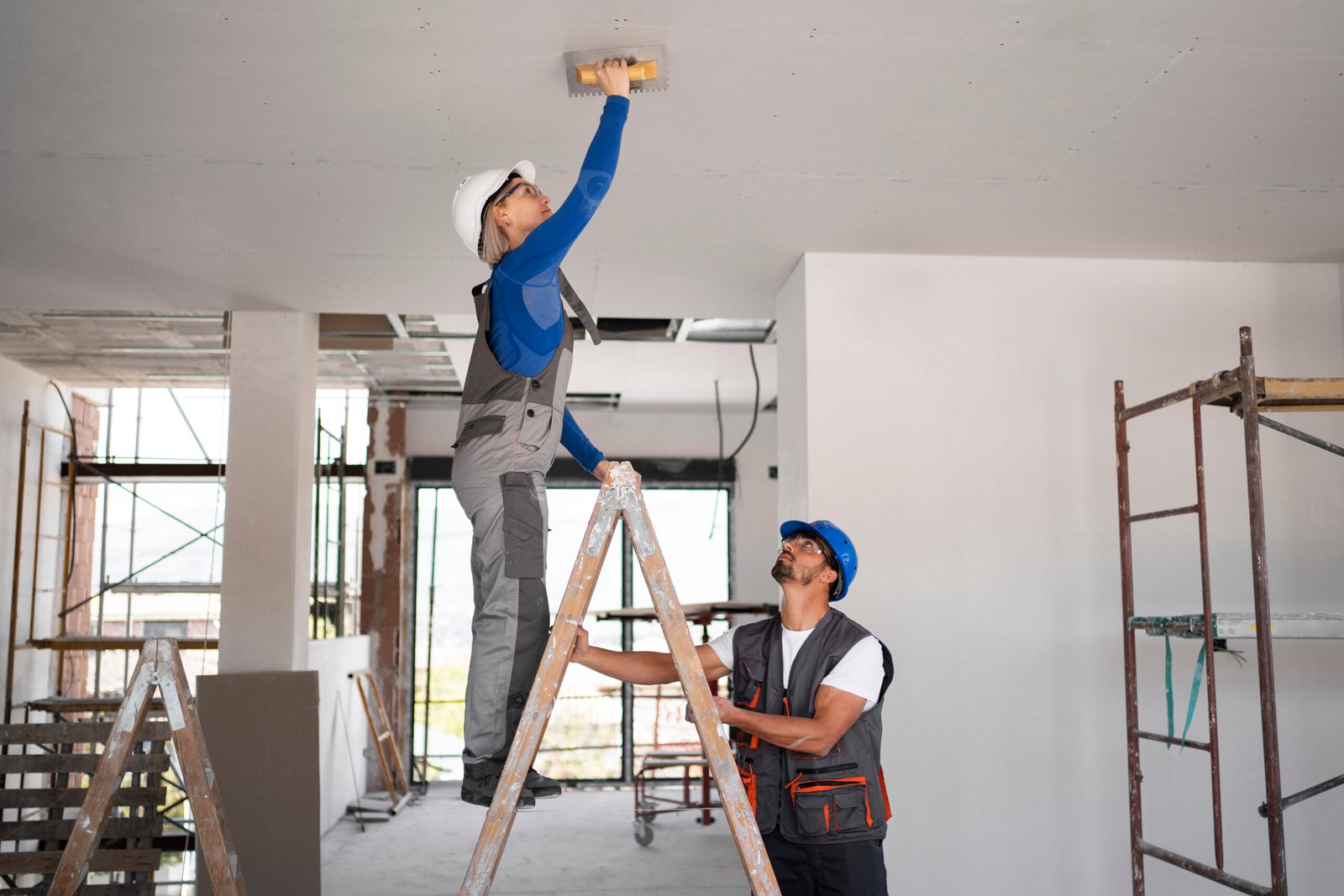
Anyone who has been through a home renovation will tell you the same thing. The build itself is only half the job. The other half is people, plain and simple. Electricians, plumbers, framers, painters, cabinet guys, inspectors. They all have to show up in the right order and avoid interfering with each other’s work; When that coordination falls apart, delays and crossed wires can happen pretty fast.
We have been doing this at Prestige Design & Build for over 20 years now, working renovation and remodeling jobs all over New Jersey. And if there is one thing that decides whether a project goes smoothly or turns into a headache, it is how well the trades are coordinated. This piece gets into what that actually looks like day to day, why it matters more than people think, and how you can set your renovation up right from the start. If you are still in the early planning stage, our post on what to know before starting a home renovation in New Jersey is worth a read before anyone shows up with tools.
Why Worker Coordination Makes or Breaks a Home Renovation
A home renovation is rarely one job handled by one crew. It is a chain of specialized tasks that all lean on each other. Framing has to happen before drywall goes up. Rough plumbing and electrical need to pass inspection before the walls close in. Flooring usually can’t go down until the painting is finished, and honestly there are a dozen other little dependencies like this that most homeowners never think about until something goes wrong.
When these steps get out of order, you notice pretty quickly:
- Trades show up and there’s nothing for them to actually do because the step before them isn’t done
- Rework happens because one trade accidentally damaged another trade’s finished work
- Timelines stretch way past what was originally quoted
- Homeowners start hearing different things from different crews and don’t know who to believe
None of this really comes down to any one worker being bad at their job. It’s about scheduling and communication across the whole renovation project, and that is exactly why coordination deserves just as much attention as the design part does.
Common Challenges When Managing Multiple Trades
Homeowners who try to manage coordination themselves or who end up with a contractor that isn’t organized, tend to hit the same problems again and again.
- Scheduling conflicts. Trades are usually juggling more than one job at once, so getting several different companies to line up their availability is harder than it sounds on paper.
- Communication gaps. If the plumber has no idea what the electrician changed the day before, mistakes happen. Information needs to actually travel between everyone involved, not just get passed from the homeowner to each contractor one at a time.
- Site access issues. Someone needs to be around to let workers in, answer their questions, and make sure the space is ready for whoever’s coming next.
- Unclear responsibility. Without one person actually owning the renovation timeline, things fall through the cracks because everybody assumes someone else has it handled.
These issues aren’t just a small job problem either. Research from Building Design and Construction found that most leading contractors in the U.S. miss their own project schedules, and poor communication along with not enough supervision were named as two of the biggest reasons why. So even experienced teams need an actual coordination process, skilled workers alone don’t guarantee it goes smoothly.
Steps to Coordinate Contractors and Subcontractors Effectively
None of this is really complicated once you break it into a process you can repeat on every job. Here’s roughly how we approach keeping renovation projects on schedule.
Build a Master Schedule Before Work Begins
Every trade needs to be mapped against one single timeline, not a bunch of separate appointments floating around. A master schedule has to account for material lead times, inspection windows, and a realistic turnaround for each phase, not just the best case scenario.
Designate One Point of Contact
Homeowners shouldn’t be the ones stuck relaying messages between an electrician and a plumber. One project manager or lead contractor should be the person every trade answers to, and the same person the homeowner calls when they have a question. This alone can prevent many communication problems.
Sequence the Trades in the Right Order
Demolition, framing, rough plumbing and electrical, insulation, drywall, finish work, each one has a natural place in line. Skip ahead and you usually end up paying for that same step twice.
Set Clear Communication Channels
A shared group chat, weekly site meetings, a project management app, whatever the tool is, everyone involved needs the same update at the same time. Verbal agreements made with one crew that never get passed along are one of the most common reasons renovations run late.
Do Regular Site Walkthroughs
Walking the site with the lead contractor every few days catches small problems before they turn into expensive ones. It also keeps every trade held to the same standard of work, not just whichever one is on site that day.
Build in Buffer Time
Even a well managed renovation project can run into surprises once the walls open up. Leaving a few extra days between phases protects the rest of the schedule from one delay knocking everything else off track.
The Role of General Contractor in Managing Your Renovation Team

This is really where a general contractor earns their keep. Their job isn’t just swinging hammer, it is managing the schedule, vetting and hiring the right subcontractors, handling permits or inspections.
Homeowners who try to hire and coordinate every trade themselves often save bit on labor upfront but end up losing those savings and then some, in delays, rework or mistakes a general contractor would have caught early. This is a big part of why a design build approach, where design and construction sit under one roof, tends to run smoother than piecing renovation together trade by trade.
For closer look at what that oversight actually includes, our post on what to expect from professional builders and remodeling services goes into more detail on the day to day of it.
How Prestige Design & Build Coordinates Every Phase of Your Renovation
This is exactly the gap we fill for homeowners across Montclair, Wayne, Ridgewood, Westfield, Summit, and the other New Jersey towns we work in. As licensed and reliable NJ Home Improvement Contractor and NJ Builder, our team manages every trade on site personally, so homeowners get one clear point of contact instead of five different numbers saved in their phone.
At Prestige Design & Build, our team oversees scheduling, sequencing and quality control on every single project, from kitchen and bathroom remodels to full additions and new construction. That hands on supervision is really what lets us keep renovation timelines realistic as well as communication consistent, from the first meeting till the work is finished.
If you’re planning a renovation and want a team that actually manages the whole process instead of leaving you to coordinate it yourself, this is where working with an experienced design build partner makes the difference.
Signs Your Renovation Needs Better Worker Coordination
If you’re already mid project, here are a few warning signs that coordination has broken down somewhere:
- Trades showing up with no clear task lined up for the day
- Getting asked the same question about a decision that was already made weeks ago
- Nobody able to give you a straight answer about the overall timeline
- Work getting redone because two trades weren’t on the same page to begin with
Catching these early and bringing in one person to manage things can still save a renovation project from bigger delays down the road.
Bringing It All Together
Coordinating different workers during a home renovation isn’t just some small administrative detail; it’s honestly one of the biggest factors in whether a project finishes on time, on budget, and without driving everyone involved a little crazy. A clear schedule, one point of contact, and a contractor who understands how each trade depends on the next. That’s really what makes the difference.
For homeowners in New Jersey looking for that kind of organized, hands on management, Prestige Design & Build has spent over two decades doing exactly this, one renovation at a time. If you want to see how coordination fits into the bigger picture, our guide to the complete renovation process from planning to final touches walks through every stage in order.
Get in Touch With Prestige Design & Build Today
FAQs
- Who is responsible for coordinating different trades during a renovation?
Usually it’s the general contractor or project manager. If there isn’t one, that job ends up falling on the homeowner whether they wanted it or not.
- What happens if trades aren’t scheduled properly during a renovation?
You get delays, crews standing around with nothing to do, and rework, since one trade’s mistake usually ends up affecting the next one down the line.
- Should I hire subcontractors myself or let a contractor manage them?
Letting a general contractor manage them tends to go a lot smoother. They already know the sequencing and can catch problems before they get expensive.
- How long does it typically take to coordinate a full home renovation?
Depends a lot on the scope, but most full remodels need a detailed schedule worked out weeks before demolition even starts.
- What should I ask a contractor about how they manage their crew?
Ask who your main point of contact will be and how often you’ll actually get updates. If they can answer that clearly, they’re usually pretty organized on site too.